

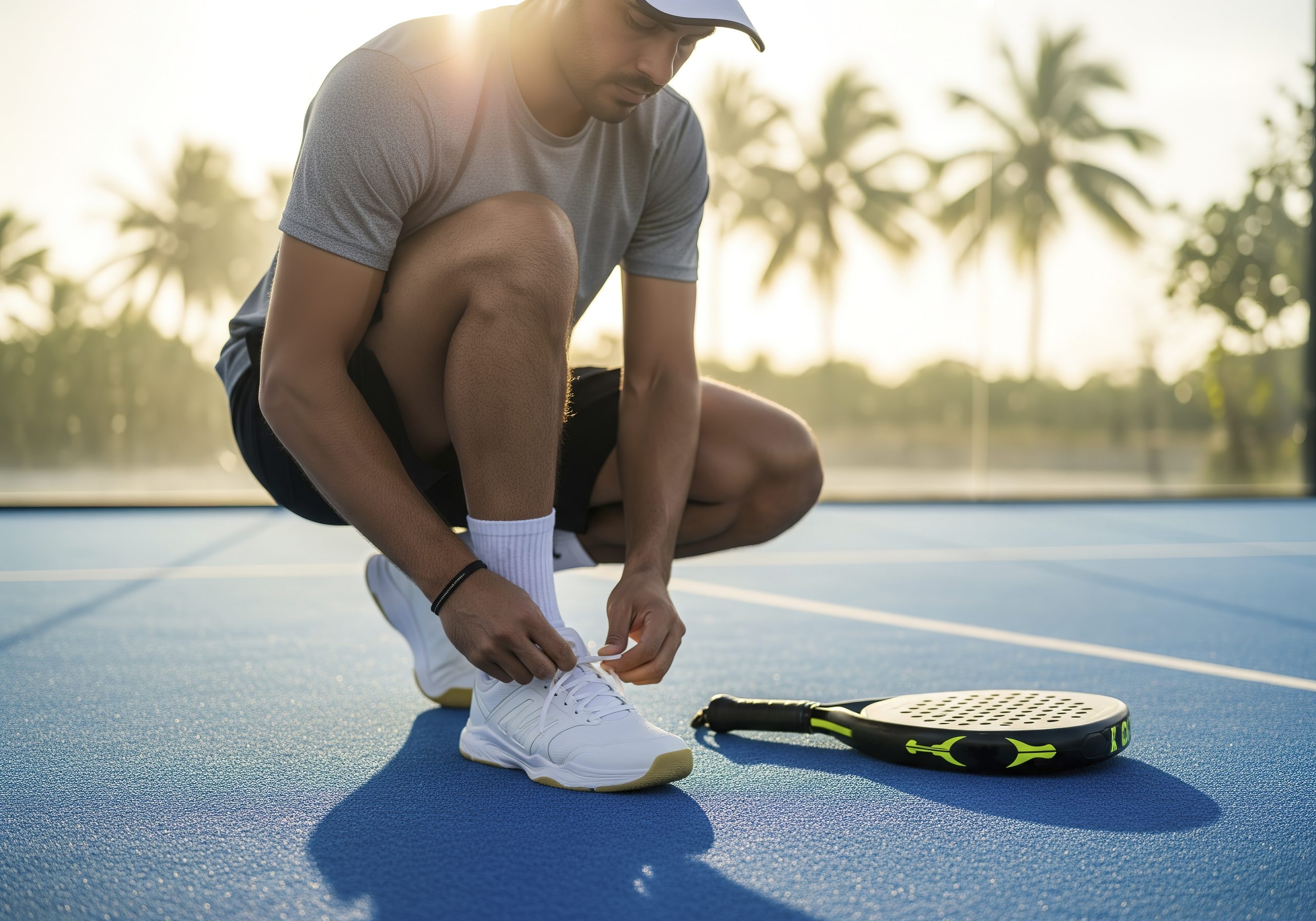
How to Choose the Right Padel Shoes
Support, Stability, and Grip — The Foundation of Every Movement on the Court
Padel is a sport built on movement.
Every rally involves quick direction changes, sudden stops, and explosive acceleration. While players often focus on rackets and technique, footwear is one of the most important pieces of equipment on the court. The right shoes provide stability, protect joints, and improve confidence during movement.
The wrong shoes, on the other hand, can lead to discomfort, reduced performance, and even injury.
In padel, your feet are your foundation.
“Good movement starts from the ground up.”
Understanding how to choose the right padel shoes helps players move safely, react faster, and stay consistent throughout matches.
Why Padel Shoes Are Different
Padel courts require specific movement patterns that differ from running or gym training. Players move laterally, rotate quickly, and change direction repeatedly. These actions place stress on ankles, knees, and joints.
Regular sports shoes may feel comfortable at first, but they often lack the stability and grip needed for padel.
Padel shoes are designed to support:
- Side-to-side movement
- Sudden stops and starts
- Grip on artificial turf or sand surfaces
- Shock absorption during impact
- Balance during rotation
These features improve safety and performance.
Grip Is the Most Important Feature
Traction determines how confidently players can move on the court.
Padel surfaces require shoes with specialized outsoles that provide stability without slipping. Proper grip allows players to accelerate quickly and stop safely during rallies.
Common outsole types include:
- Herringbone pattern — strong grip and reliable control
- Omni pattern — balanced traction and flexibility
- Hybrid pattern — combination of stability and movement
Choosing the right outsole improves movement efficiency and reduces injury risk.
Stability Protects Your Ankles
Padel involves frequent lateral movement, which places pressure on ankle joints. Shoes with strong side support help maintain balance and reduce the chance of twisting or rolling the ankle.
Stability features to look for:
- Reinforced side panels
- Firm heel support
- Structured midsole design
- Secure lacing system
These elements keep the foot stable during fast movement.
Cushioning Reduces Impact
Every step and jump creates impact on joints and muscles. Cushioning absorbs this force and improves comfort during long matches.
Players who train regularly benefit from shoes that balance support and flexibility.
Effective cushioning helps:
- Reduce joint stress
- Improve comfort
- Maintain endurance
- Prevent fatigue
Comfort allows players to stay focused on the game rather than discomfort.
Fit Matters More Than Brand
Many players choose shoes based on brand reputation or appearance. While design is important, fit determines performance.
Shoes that are too tight can restrict movement and cause discomfort. Shoes that are too loose reduce stability and increase injury risk.
A proper fit should feel secure but comfortable.
Key fit guidelines:
- Allow a small space in front of the toes
- Ensure the heel stays stable
- Avoid pressure points during movement
- Test shoes while walking and turning
Comfortable shoes support confidence on the court.
Durability Matters for Regular Players
Padel movement creates friction, especially during quick direction changes. High-quality materials improve durability and maintain performance over time.
Players who train frequently should monitor wear patterns.
Signs it may be time to replace shoes include:
- Reduced grip on the court
- Visible outsole wear
- Decreased cushioning
- Loose structure or instability
Replacing worn shoes helps maintain safety and comfort.
Final Thought
Padel performance depends on movement, balance, and stability. The right shoes support these elements and protect the body during play.
Reliable footwear allows players to move confidently, react quickly, and stay comfortable throughout the match.
Because in padel, every step matters.
And strong movement starts with the right foundation.

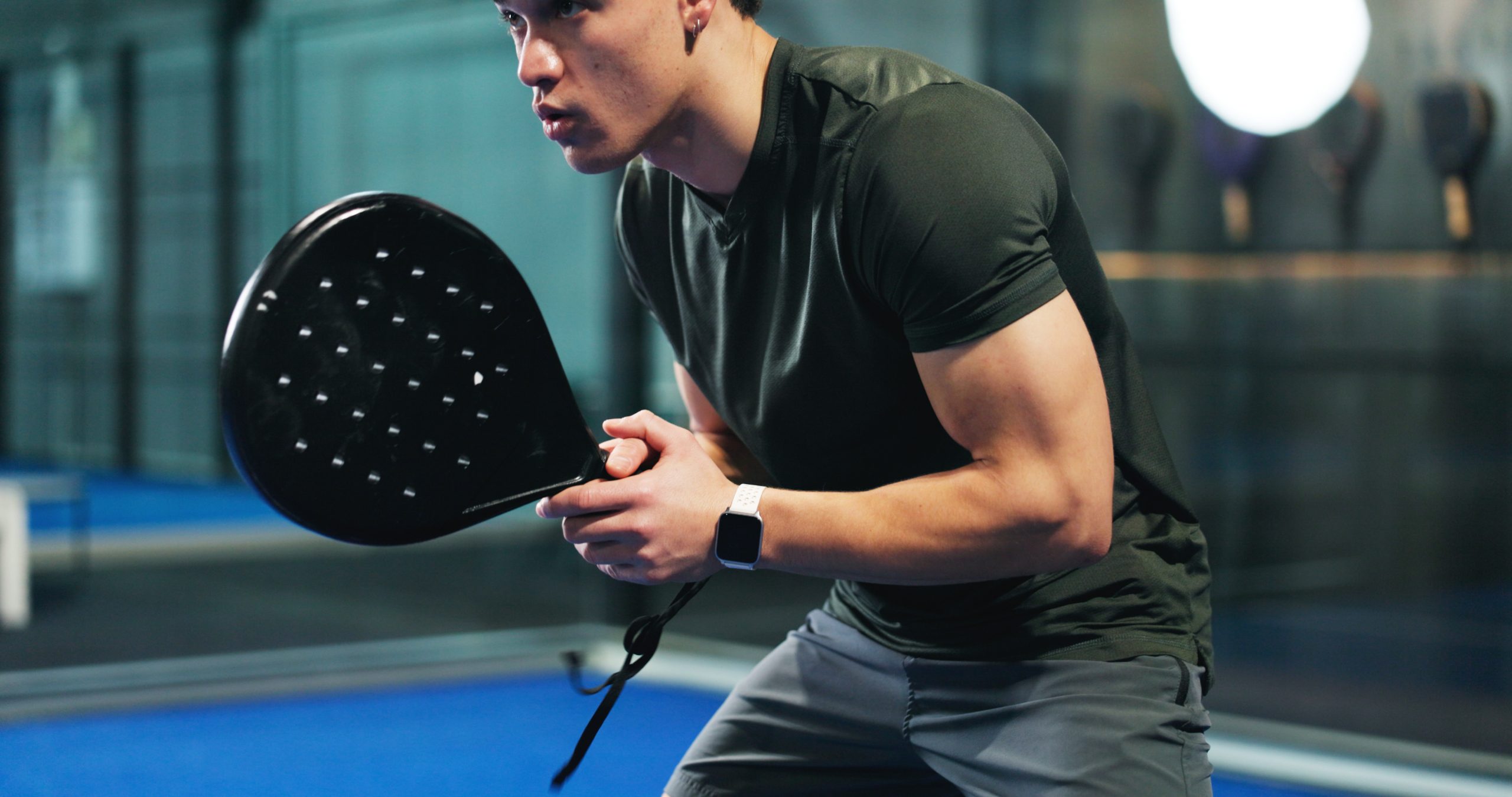
How to Build Consistency in Your Padel Game
Why Reliable Performance Wins More Matches Than Power Alone
Consistency is one of the most valuable skills in padel.
Many players focus on hitting harder, moving faster, or trying spectacular shots. While these elements can be exciting, matches are often decided by the player who makes fewer mistakes. Reliable shots, controlled movement, and steady decision-making create pressure on opponents and increase the chances of winning points.
Consistency builds confidence. Confidence builds performance.
“You do not need to hit the perfect shot — you need to hit the right shot again and again.”
Players who develop consistency create rhythm in their game and reduce unnecessary risk.
Why Consistency Matters More Than Power
Power can win points quickly, but consistency wins matches over time.
Padel rallies often involve multiple exchanges before a point ends. During these rallies, small mistakes accumulate. Missing easy balls, rushing decisions, or losing focus can turn a winning position into a lost point.
Consistent players maintain control, stay patient, and wait for the right opportunity.
Consistency helps players:
- Reduce unforced errors
- Maintain control during rallies
- Build confidence under pressure
- Stay calm in competitive situations
- Create predictable performance
These advantages create stability during matches.
Focus on Shot Selection
Consistency begins with smart decisions.
Players who choose high-percentage shots reduce risk and maintain control. Instead of aiming for difficult winners, they prioritize placement, timing, and positioning.
This approach creates steady pressure on opponents.
Reliable shot selection includes:
- Aiming for open space rather than power
- Keeping the ball in play during long rallies
- Using controlled shots instead of risky attempts
- Adjusting speed and direction based on position
These habits improve accuracy and reduce mistakes.
Develop a Strong Routine
Consistency is closely connected to routine.
Repeating the same preparation before serves, returns, and key moments helps players stay focused and maintain rhythm. A simple routine stabilizes performance and reduces stress during matches.
Routine creates familiarity.
Familiarity creates confidence.
A reliable routine might include:
- Taking a steady breath before serving
- Adjusting grip and stance before each point
- Maintaining eye contact with the ball
- Using the same preparation steps every time
These small actions build mental stability.
Control Your Movement
Movement plays a major role in consistency.
Poor positioning often leads to rushed shots and mistakes. Efficient footwork allows players to reach the ball early and maintain balance during contact.
Balanced movement improves timing and control.
Key movement habits include:
- Staying light on the feet
- Returning to a ready position after each shot
- Maintaining balance during movement
- Adjusting position before hitting the ball
These habits support reliable performance.
Stay Mentally Focused
Consistency is not only physical — it is mental.
Losing concentration for a few seconds can result in errors. Maintaining focus throughout the match helps players stay calm and make better decisions.
Mental discipline improves stability.
Players can strengthen focus by:
- Controlling breathing during rallies
- Staying present in each point
- Ignoring distractions
- Maintaining positive body language
These techniques support consistent performance.
Practice Repetition, Not Perfection
Consistency develops through repetition.
Training the same movements repeatedly builds muscle memory and improves accuracy. Over time, actions become automatic, reducing hesitation and mistakes.
Players who practice regularly often notice:
- More reliable shot control
- Better timing during rallies
- Greater confidence in matches
- Reduced stress under pressure
These improvements create steady progress.
Final Thought
Consistency is the foundation of success in padel.
It allows players to maintain control, reduce mistakes, and build confidence during matches. While power and speed can create highlights, consistency creates results.
The most successful players are not always the strongest or fastest.
They are the most reliable.
How to Improve Your Reaction Time in Padel
Move Faster, Respond Smarter, and Stay One Step Ahead on the Court
Reaction time is one of the most underrated skills in padel.
Players often focus on technique, power, and strategy, but the ability to respond quickly to unexpected shots can make the difference between winning and losing a rally. Padel is a fast-paced sport where the ball can change direction suddenly after hitting the glass, forcing players to react instantly.
The faster your reaction, the more control you have over the point.
Improving reaction time does not require natural talent. It requires consistent practice, awareness, and preparation.
“Speed is useful, but anticipation is powerful.”
Players who learn to read the game develop faster reactions naturally.
Why Reaction Time Matters in Padel
Padel rallies often involve rapid exchanges, unpredictable rebounds, and quick transitions between offense and defense. In these situations, reaction time becomes critical.
A delayed response can lead to poor positioning, rushed shots, or missed opportunities. A quick response allows players to stay balanced, maintain control, and make smarter decisions.
Strong reaction time helps players:
- Reach the ball earlier
- Maintain better balance
- Reduce unforced errors
- Defend difficult shots
- Stay confident during fast rallies
These advantages accumulate throughout a match and create consistency.
Anticipation Is the First Step
Reaction time is not only about physical speed. It is about recognizing patterns and predicting what happens next.
Experienced players observe their opponent’s body position, racket angle, and movement before the ball is struck. These visual cues provide valuable information that allows the brain to prepare for action.
Anticipation reduces reaction time because the body is already prepared to move.
Developing anticipation requires attention and repetition. The more matches you play, the more familiar situations become, and the faster you respond.
Train Your Eyes and Brain Together
Reaction speed begins in the brain.
The eyes detect movement, the brain processes information, and the body responds. Training this sequence improves coordination and reduces hesitation.
Simple drills can strengthen this connection.
Effective reaction exercises include:
- Ball drop drills with a partner
- Reaction lights or visual cues
- Quick direction change exercises
- Short-distance sprint reactions
- Hand-eye coordination drills
These exercises improve awareness and help players react more confidently during matches.
Stay in a Ready Position
Many slow reactions are caused by poor positioning rather than slow reflexes.
A balanced ready position allows movement in any direction. Without it, players need extra time to adjust before reacting.
The ready position should feel natural and relaxed.
Focus on:
- Bent knees
- Weight on the balls of the feet
- Racket held in front of the body
- Eyes focused on the opponent
- Body prepared to move immediately
This posture creates stability and readiness.
Footwork Supports Fast Reactions
Reaction time is closely connected to movement.
Even if the brain reacts quickly, poor footwork can slow down the response. Efficient footwork allows players to reach the ball smoothly and maintain control.
Short, controlled steps are usually faster than long strides.
Players who stay light on their feet respond more effectively to sudden changes in direction.
“Quick feet create quick reactions.”
Consistent footwork training improves both speed and confidence.
Reduce Distractions During Play
Mental focus plays a major role in reaction speed.
Distractions — such as fatigue, stress, or discomfort — can slow decision-making and reduce awareness. Maintaining concentration allows the brain to process information faster.
Simple habits help improve focus:
- Maintain steady breathing
- Stay hydrated
- Wear comfortable clothing
- Keep equipment in good condition
- Take short breaks when needed
These small adjustments support mental clarity during matches.
Consistency Builds Speed
Improving reaction time takes patience.
Progress happens gradually as the body and mind adapt to repeated movement and decision-making. Regular practice strengthens neural connections and improves coordination.
Players who train consistently often notice:
- Faster responses to difficult shots
- Better positioning during rallies
- Increased confidence under pressure
- More control during fast exchanges
These improvements lead to better performance over time.
Final Thought
Reaction time is not only about speed. It is about awareness, preparation, and confidence.
Players who stay alert, move efficiently, and anticipate the game develop faster responses naturally. With consistent practice, quick reactions become automatic.
And when reactions improve, the game feels calmer, smoother, and more controlled.
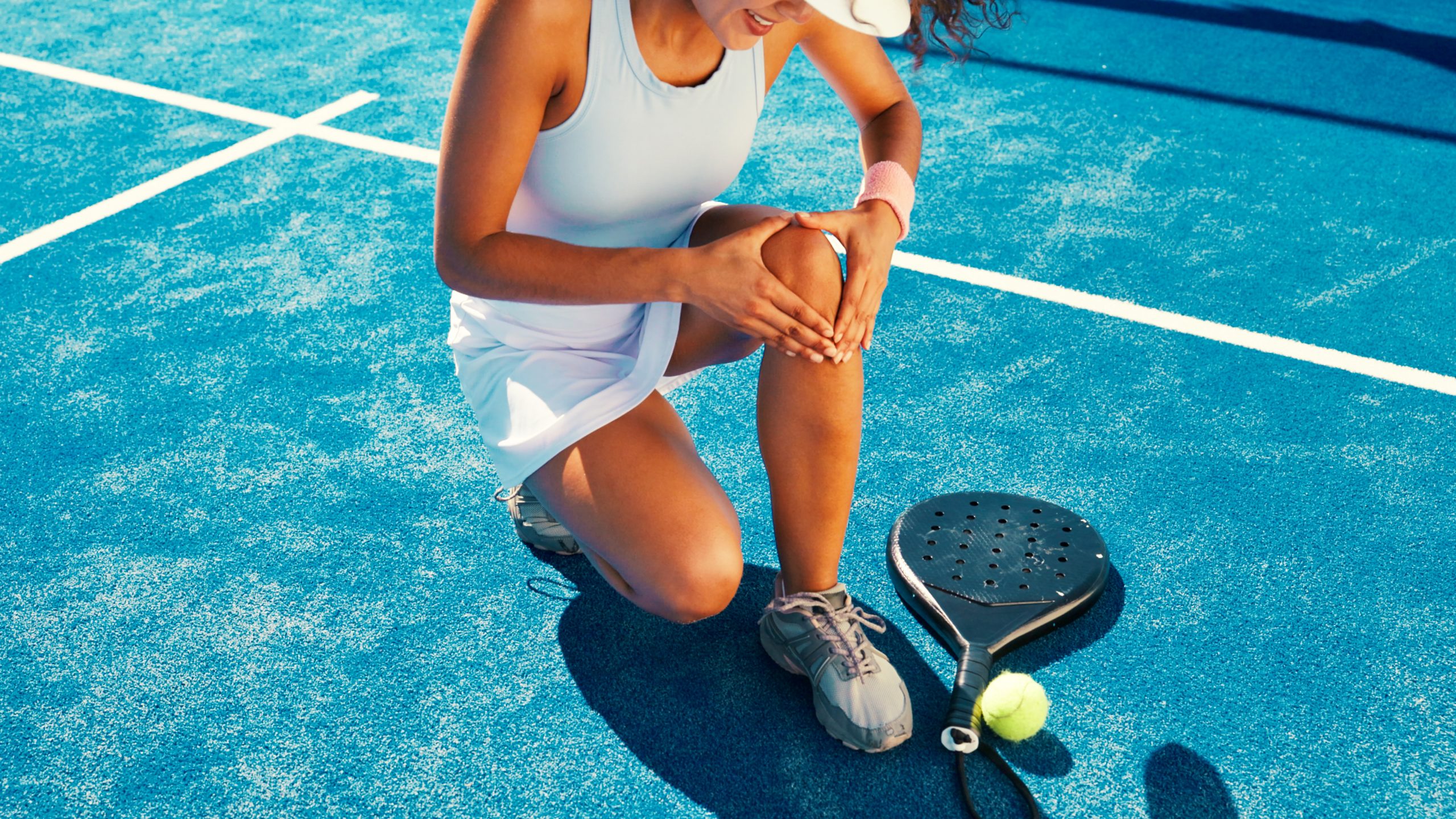
How to Prevent Common Padel Injuries
Stay on the Court Longer by Training Smarter, Not Harder
Padel is a fast, dynamic sport that combines quick direction changes, explosive movement, and repetitive arm actions. These elements make the game exciting and challenging — but they also place stress on the body.
Most injuries in padel do not happen suddenly. They develop gradually over time. Small strains become persistent discomfort, and minor fatigue turns into real physical limitations.
The good news is that many injuries are preventable.
Players who understand how their bodies respond to movement, recovery, and workload can reduce risk significantly and stay consistent throughout the season.
“The strongest athletes are not the ones who never get injured — they are the ones who learn how to prevent injuries before they start.”
The Most Common Padel Injuries
Like many racket sports, padel places repeated stress on specific muscle groups and joints. Certain areas of the body are more vulnerable because they are used constantly during matches and training sessions.
The most common injuries include:
- Tennis elbow (elbow tendon irritation)
- Shoulder strain or inflammation
- Knee discomfort from sudden direction changes
- Ankle sprains during lateral movement
- Lower back tension from rotation and bending
These injuries are rarely caused by a single moment. Instead, they develop through repeated stress combined with insufficient recovery or preparation.
Recognizing early warning signs is one of the most effective ways to prevent long-term problems.
The Most Common Padel Injuries
Like many racket sports, padel places repeated stress on specific muscle groups and joints. Certain areas of the body are more vulnerable because they are used constantly during matches and training sessions.
The most common injuries include:
- Tennis elbow (elbow tendon irritation)
- Shoulder strain or inflammation
- Knee discomfort from sudden direction changes
- Ankle sprains during lateral movement
- Lower back tension from rotation and bending
These injuries are rarely caused by a single moment. Instead, they develop through repeated stress combined with insufficient recovery or preparation.
Recognizing early warning signs is one of the most effective ways to prevent long-term problems.
Warm-Up Is Not Optional
One of the simplest and most effective injury prevention strategies is a proper warm-up.
Yet many players skip this step or rush through it.
A warm-up prepares muscles, joints, and the nervous system for movement. It improves coordination, increases flexibility, and reduces the risk of sudden strain during intense rallies.
A good warm-up should take only a few minutes but include purposeful movement.
A practical routine might include:
- Light jogging or dynamic movement
- Arm circles and shoulder mobility exercises
- Hip and leg activation drills
- Short reaction or footwork exercises
This preparation allows the body to transition smoothly into match intensity.
Strength and Stability Protect Your Joints
Strong muscles support joints and reduce stress during movement. Stability training is especially important in padel because the sport requires quick direction changes and controlled rotation.
Players do not need complex gym programs to build protection. Simple exercises performed consistently can make a significant difference.
Focus on strengthening:
- Core muscles for balance and posture
- Shoulders for racket control and stability
- Leg muscles for movement and impact absorption
- Forearms for grip strength and elbow support
These muscle groups form the foundation of safe movement on the court.
Recovery Is Part of Training
Many players focus on effort but overlook recovery.
Rest allows the body to repair muscle tissue, restore energy levels, and reduce inflammation. Without proper recovery, fatigue accumulates and increases the risk of injury.
Recovery does not always mean inactivity. It often involves simple habits that support the body after training.
Important recovery practices include:
- Hydration after matches
- Stretching or mobility exercises
- Quality sleep
- Balanced nutrition
- Short rest periods between sessions
These habits help maintain long-term performance and reduce unnecessary strain.
Listen to Early Warning Signals
Pain is not the first sign of injury.
Discomfort, stiffness, and reduced mobility often appear earlier. Ignoring these signals can allow small problems to develop into more serious conditions.
Pay attention to changes in how your body feels during and after play.
Common warning signs include:
- Persistent soreness after matches
- Reduced strength or stability
- Limited range of motion
- Unusual fatigue
- Sharp or recurring discomfort
Addressing these signals early can prevent long-term interruptions in training.
Equipment Also Plays a Role
Injury prevention is not only about physical preparation. Equipment choice also affects comfort and safety on the court.
Poorly fitted shoes, worn-out grips, or heavy rackets can increase strain on joints and muscles.
Reliable equipment should support movement rather than create additional stress.
Key equipment factors to monitor:
- Shoes with proper support and grip
- A racket with comfortable weight and balance
- Fresh grips that reduce vibration
- Clothing that allows full movement
Small adjustments in equipment can significantly improve comfort and reduce injury risk.
Consistency Is the Real Advantage
The goal of injury prevention is not perfection. It is consistency.
Players who stay healthy train more regularly, improve faster, and enjoy the sport longer. Preventing injuries allows progress to continue without interruption.
Consistency builds confidence.
And confidence builds performance.
“The best training plan is the one you can follow without interruption.”
Final Thought
Padel is meant to be challenging, energizing, and enjoyable. Staying injury-free allows players to focus on improvement, competition, and fun.
Small habits — warming up, strengthening muscles, choosing proper equipment, and allowing time for recovery — create a strong foundation for long-term performance.
Because the most valuable skill in any sport is not power or speed.
It is durability.
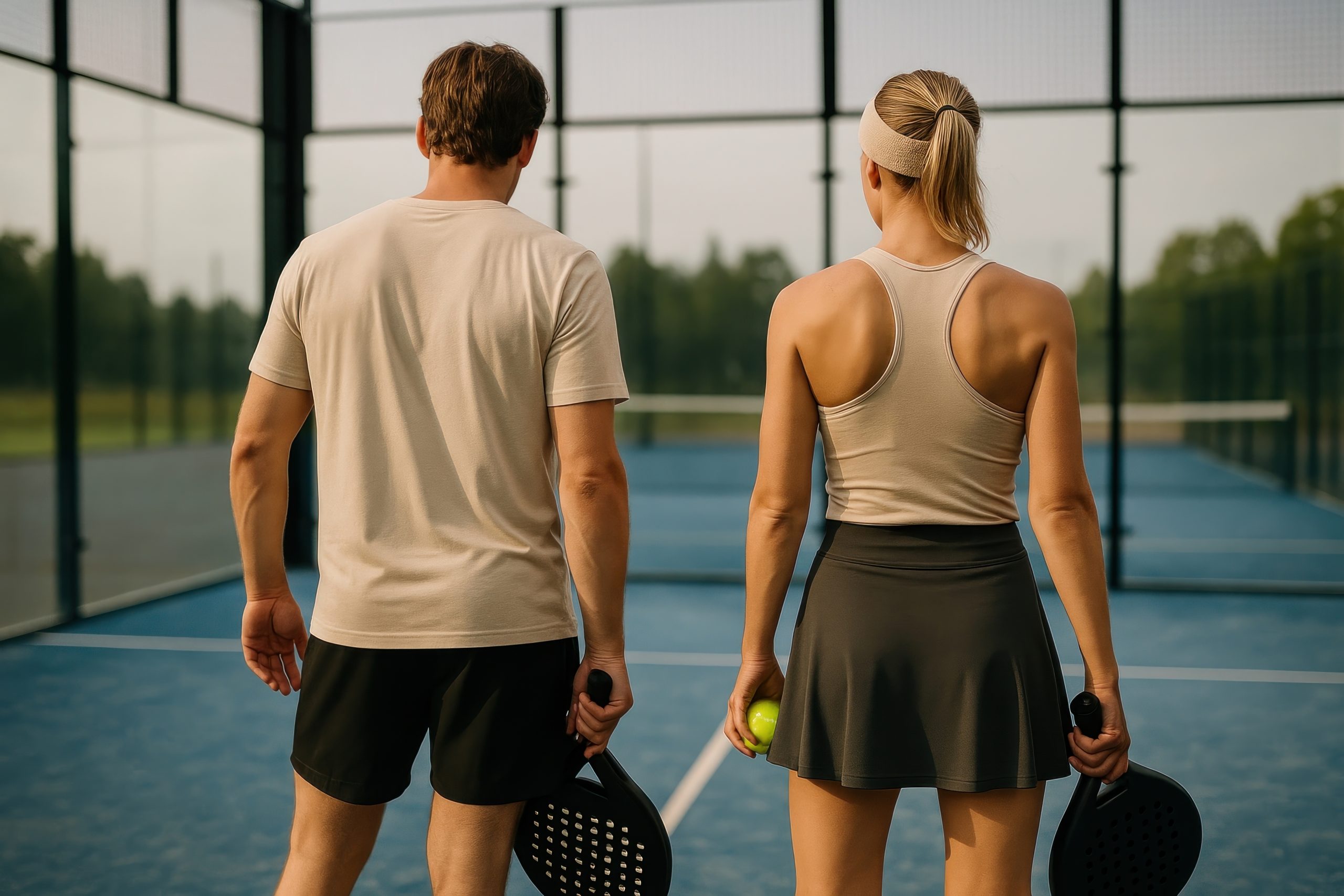
How Often Should You Replace Sportswear?
Why Performance Gear Has a Lifespan — And How to Know When It’s Time
Sportswear is built to move, stretch, breathe, and perform. But even the best gear does not last forever.
Every training session, every match, every wash cycle, and every intense rally slowly affects the structure of your clothing. Fabrics lose elasticity, moisture-wicking properties become weaker, seams experience stress, and the overall fit can change over time.
For casual wear, this may not matter much. But for performance sports like padel, where movement, comfort, and focus are essential, worn-out gear can become more than just a visual issue.
It can become a distraction.
“Good sportswear should support your performance quietly. Once you start noticing it for the wrong reasons, it may be time to replace it.”
Why Sportswear Wears Out Over Time
Performance clothing is constantly exposed to movement, sweat, friction, heat, and washing. These factors gradually affect how the fabric behaves.
A shirt that once felt light and breathable may begin to feel heavier. Shorts that used to stay in place may lose their structure. Elastic waistbands may become loose, and technical fabrics may stop drying as quickly as they once did.
The most common reasons sportswear wears out include:
- Repeated washing and drying
- Sweat and body oils breaking down fibers
- Constant stretching during movement
- Friction from rackets, bags, or court surfaces
- Exposure to sun, heat, and humidity
These changes usually happen gradually, which is why many players do not notice them immediately. But over time, the difference becomes clear.
Signs It Is Time to Replace Your Sportswear
There is no single rule that applies to every player. How often you replace sportswear depends on how frequently you train, how intense your sessions are, and how well you care for your clothing.
Still, there are clear signs that your gear is no longer performing as it should.
Look out for:
- Fabric that feels heavy or rough
- Loss of stretch or shape
- Persistent odor even after washing
- Colors that have faded significantly
- Loose seams or damaged stitching
- Moisture-wicking performance that feels reduced
- Waistbands or cuffs that no longer hold properly
When these signs appear, your clothing may still be wearable, but it may no longer be reliable for performance.
How Often Should Padel Players Replace Their Gear?
For players who train or play once a week, high-quality sportswear can last a long time with proper care. But players who train multiple times per week will naturally place more demand on their clothing.
As a general guide:
- Casual players: replace key pieces every 12–18 months
- Regular players: replace heavily used pieces every 6–12 months
- Competitive players: rotate and replace performance gear more frequently
This does not mean every item needs to be replaced at once. Instead, pay attention to the pieces you use most often. Your main training shirts, match shorts, and base layers usually wear out first.
>Why Rotation Makes Your Gear Last Longer
One of the simplest ways to extend the lifespan of sportswear is rotation. Wearing the same shirt or shorts repeatedly without giving the fabric enough recovery time can accelerate wear.
Having a small rotation of reliable pieces helps each item last longer and keeps your gear feeling fresh.
A practical rotation could include:
- Two to three performance shirts
- Two pairs of training shorts
- Several pairs of moisture-wicking socks
- One or two warmer layers for cooler sessions
This approach is especially useful for players who train regularly. It reduces stress on each individual item and helps maintain consistent comfort over time.
Care Matters More Than Most People Think
The way you wash and dry sportswear has a major impact on its durability. Performance fabrics are designed differently from everyday cotton clothing, so they should be treated with care.
To help your gear last longer:
- Wash at lower temperatures whenever possible
- Avoid fabric softener, as it can affect moisture-wicking performance
- Turn garments inside out before washing
- Air dry instead of using high heat
- Wash soon after intense sessions to prevent odor buildup
Small habits like these can protect the structure of the fabric and keep your clothing performing better for longer.
“Performance gear does not only depend on how it is made. It also depends on how it is cared for.”
When Looks Are Not the Main Problem
Many players replace sportswear only when it looks old. But performance can decline before clothing becomes visibly worn.
A shirt may still look fine but no longer breathe well. Shorts may still look clean but lose their original fit. Socks may still be wearable but offer less support and comfort.
This is why feel matters as much as appearance.
If your gear no longer feels comfortable, stable, or reliable during movement, it may be time to upgrade — even if it still looks acceptable.
Final Thought
Sportswear is not just something you wear on the court. It is part of your preparation.
The right gear helps you move freely, stay comfortable, and focus on the game. But when clothing loses its performance qualities, it can slowly work against you.
Replacing sportswear at the right time is not about buying more. It is about maintaining consistency, comfort, and trust in what you wear.
Because in padel, every detail matters.
And reliable gear should never be one of your distractions.
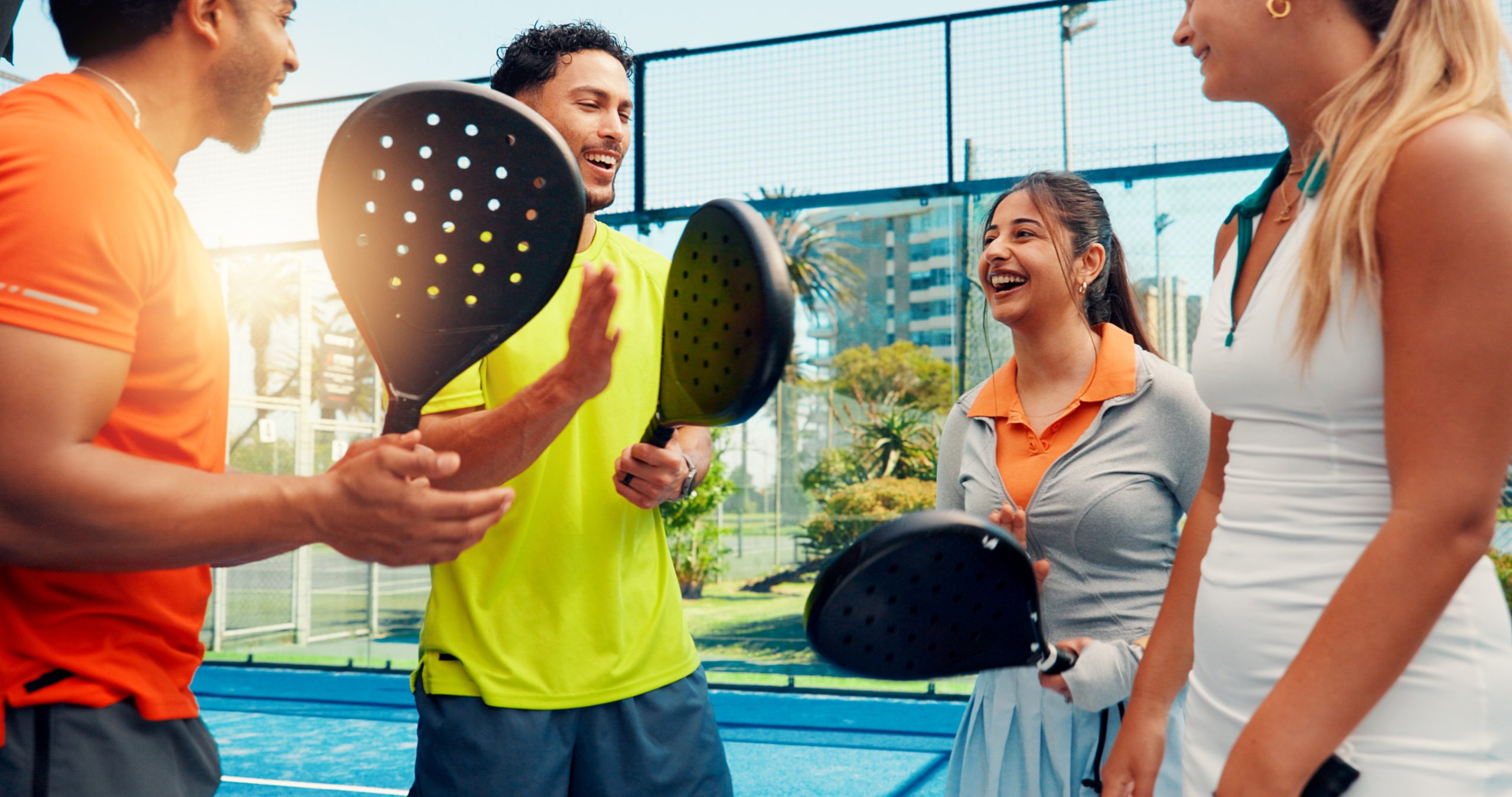
What to Wear for Summer Padel Matches
Staying Cool, Comfortable, and Focused When Temperatures Rise
Summer is one of the best seasons to play padel.
Longer days, outdoor courts, and warm evenings create the perfect environment for training and matches. But as temperatures rise, the physical demands of the game increase as well. Heat affects endurance, concentration, and recovery — sometimes more than players expect.
Many athletes underestimate how strongly clothing influences performance in warm conditions. The wrong fabric can trap heat and moisture, making movement feel heavier and slower. The right gear, on the other hand, helps regulate body temperature and maintain comfort throughout the match.
In high temperatures, comfort is not a luxury.
It becomes part of your strategy.
As sports scientists often emphasize:
“Managing heat is just as important as managing effort.”
Understanding what to wear in summer conditions can make the difference between finishing a match strong and feeling exhausted halfway through.
Why Summer Matches Feel More Demanding
Heat changes how the body works.
As temperature increases, the body produces more sweat to cool itself. Heart rate rises, hydration levels drop faster, and fatigue appears sooner. Even experienced players can struggle to maintain the same level of performance during hot weather.
This is why preparation matters.
Clothing plays a critical role in supporting the body’s natural cooling process. Breathable materials, lightweight construction, and proper fit help maintain comfort and reduce stress on the body.
Without these factors, energy is lost unnecessarily — and performance suffers.
The Most Important Features in Summer Padel Clothing
When choosing gear for hot conditions, certain characteristics become essential. These features support performance and help maintain comfort throughout the session.
Look for clothing that offers:
- Lightweight fabrics that reduce heat retention
- Moisture-wicking technology that keeps skin dry
- Breathability that allows airflow
- Stretch and flexibility for unrestricted movement
- Quick-drying materials that prevent heavy fabric buildup
These elements work together to regulate temperature and maintain comfort during long rallies.
Players often notice the difference within the first few minutes of play. Movement feels lighter, breathing feels easier, and concentration remains steady.
The Ideal Summer Outfit for Padel
A summer padel outfit does not need to be complicated. Simplicity usually leads to better performance.
The goal is to reduce heat, support movement, and maintain comfort.
A reliable summer setup typically includes:
- A lightweight performance t-shirt or tank
- Breathable shorts with flexible fabric
- Moisture-wicking socks
- Proper court shoes with ventilation
- Optional cap or visor for sun protection
Each item contributes to temperature control and overall comfort.
Together, they create a balanced system that supports performance even in challenging conditions.
Fabric Choice Makes the Biggest Difference
Among all equipment decisions, fabric selection has the strongest impact on comfort during summer matches.
Performance fabrics are designed to move moisture away from the skin and allow it to evaporate quickly. This process helps regulate body temperature and prevents overheating.
Cotton, while comfortable in everyday situations, often retains moisture and becomes heavier as sweat accumulates. In hot conditions, this can lead to discomfort and reduced performance.
For players training regularly in warm weather, choosing the right fabric becomes essential.
“The lighter your clothing feels, the longer your energy lasts.”
This principle explains why professional athletes rely on advanced materials designed specifically for sport.
Fit Matters Even More in Hot Weather
Loose clothing can improve airflow, but excessive fabric may create unnecessary movement and distraction. Tight clothing, on the other hand, can trap heat and restrict ventilation.
The ideal fit for summer matches is balanced — structured enough to stay in place, yet relaxed enough to allow airflow.
Players often perform best when clothing feels light and natural rather than tight or heavy.
Comfort leads to confidence.
Confidence leads to better performance.
Small Details That Improve Comfort
Sometimes the smallest adjustments create the biggest improvements.
Minor changes in equipment or preparation can significantly enhance comfort during hot weather.
Consider these practical tips:
- Choose lighter colors to reflect sunlight
- Bring a spare shirt for longer sessions
- Stay hydrated before and during matches
- Use breathable accessories when playing outdoors
- Schedule training sessions during cooler hours when possible
These habits support endurance and help maintain consistent performance.
Performance Is About Preparation
Summer matches can be demanding, but they are also rewarding. Warm conditions challenge players physically and mentally, creating opportunities to build resilience and discipline.
Preparation makes the difference.
Players who choose appropriate clothing, manage hydration, and adjust their routine for heat conditions often perform more consistently. They conserve energy, maintain focus, and recover more efficiently.
The goal is not to avoid the heat.
The goal is to manage it.
The Long-Term Advantage of Smart Gear Choices
Over time, proper summer equipment contributes to better performance and greater enjoyment of the game. Players who feel comfortable are more likely to train regularly, maintain energy, and stay motivated.
Consistency is the foundation of improvement.
And consistency depends on preparation.
Choosing the right clothing is one of the simplest ways to support that preparation.
Final Thought
Summer is a season of energy, competition, and long matches under the sun. It is also a reminder that performance depends on preparation as much as skill.
The right clothing does not eliminate the heat.
But it helps you handle it.
And when comfort supports movement, the game becomes smoother, more enjoyable, and more consistent — even on the hottest days.
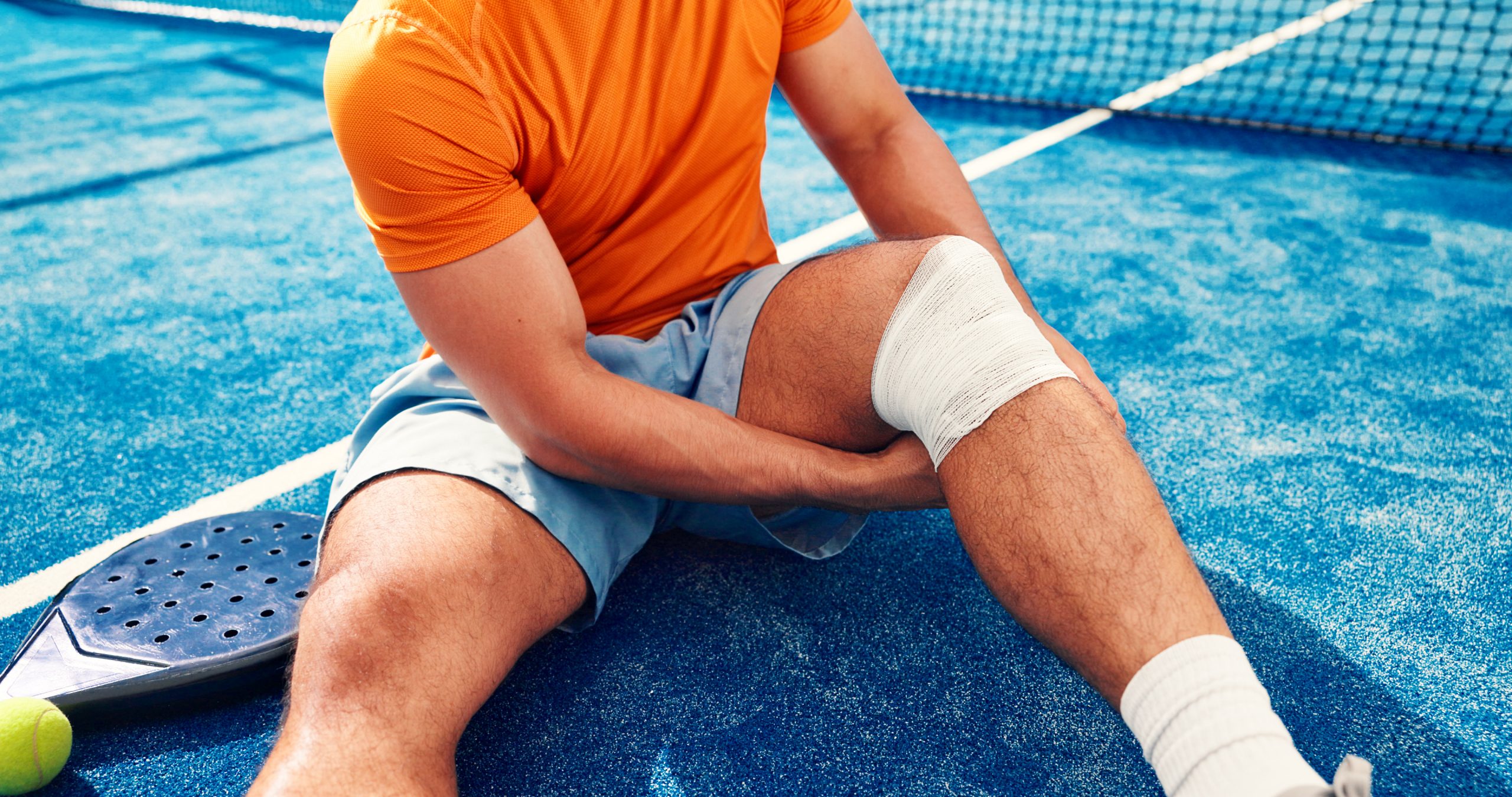
How to Improve Your Footwork in Padel
The Foundation of Better Timing, Balance, and Control on the Court
In padel, players often focus on technique first — the perfect volley, the powerful smash, the precise lob. Yet experienced coaches will tell you that the real difference between average and advanced players rarely comes from the swing itself.
It comes from movement.
Footwork is the quiet engine behind every successful shot. When positioning is correct, strokes feel effortless and controlled. When movement is slow or unbalanced, even simple shots become difficult. Timing suffers, accuracy declines, and confidence drops.
This is why improving footwork is often the fastest way to improve overall performance.
As one professional coach once put it:
“Your racket follows your feet. If your feet arrive late, the shot will always be late.”
Understanding this principle changes how players approach training.
Why Footwork Matters More Than Power
Padel is not a sport defined by strength alone. It is defined by positioning, anticipation, and balance. Because the court is relatively small and rallies can develop quickly, players must constantly adjust their position to maintain control of the point.
Strong footwork allows you to:
- Reach the ball earlier
- Maintain balance during shots
- Recover faster after movement
- Reduce unforced errors
- Stay consistent during long rallies
Without efficient movement, even technically skilled players struggle to perform at their best.
Good footwork does not make the game easier — it makes the game more predictable. And predictability creates confidence.
Start With the Ready Position
Every movement in padel begins from the same place: the ready position.
This is the moment before the opponent hits the ball. Your body must be prepared to move in any direction. A strong ready position allows quick reactions and smooth transitions between offense and defense.
The fundamentals are simple but essential.
Focus on these elements:
- Feet shoulder-width apart
- Knees slightly bent
- Weight on the balls of the feet
- Upper body relaxed
- Eyes focused on the ball
This position creates stability and readiness. It also reduces reaction time, which can make the difference between reaching the ball comfortably and stretching awkwardly.
Move Before the Ball Arrives
One of the most common mistakes in padel is reacting too late. Players often wait until the ball is already traveling toward them before they begin to move. By that time, positioning becomes rushed and balance is compromised.
Effective players move early.
They read the opponent’s body language, anticipate direction, and adjust their position before the ball crosses the net. This early movement creates time — and time creates control.
“The player who moves first usually wins the point.”
Developing this habit takes practice, but it quickly becomes natural.
Stay Light on Your Feet
Footwork in padel should feel light and responsive rather than heavy and rigid. Quick adjustments are often more important than long steps. Small, controlled movements allow players to maintain balance and react smoothly to changing situations.
Think of movement as continuous rather than occasional.
Instead of standing still between shots, stay active and ready to adjust. Even subtle shifts in position can improve timing and shot quality.
Simple habits that improve movement immediately:
- Take short, quick steps instead of long strides
- Keep your heels slightly off the groun
- Maintain a relaxed posture
- Stay in motion during rallies
These small adjustments create a noticeable difference in agility and control.
Recover After Every Shot
Footwork is not only about reaching the ball — it is also about recovering afterward.
Many players hit a shot and remain in the same position, assuming the rally will end. When the ball comes back unexpectedly, they are caught off balance and forced into a defensive reaction.
Strong players recover automatically.
After each shot, they return to a neutral position that allows movement in any direction. This habit creates stability and prepares the body for the next action.
Recovery is what keeps movement consistent throughout the rally.
Practice Movement Without the Ball
Improving footwork does not always require hitting shots. In fact, some of the most effective training happens without a racket.
Movement drills build coordination, speed, and awareness. They train the body to respond automatically under pressure.
Effective footwork drills include:
- Side-to-side shuffle movements
- Forward and backward transitions
- Split-step timing exercises
- Shadow movement around the court
- Reaction drills with a partner
These exercises develop muscle memory and improve overall efficiency.
Over time, movement becomes smoother, faster, and more controlled.
Use the Walls to Your Advantage
Padel is unique because of its walls, and footwork must adapt to that environment. Players who understand how to position themselves relative to the glass gain more time to prepare for shots.
Instead of rushing toward the ball immediately, experienced players allow space for the rebound and move into position calmly.
This controlled movement creates better timing and reduces unnecessary effort.
Learning to move confidently around the walls is one of the defining skills of advanced players.
Consistency Beats Speed
Many beginners believe faster movement automatically leads to better performance. In reality, consistency matters more than raw speed.
Reliable positioning allows players to maintain rhythm and control throughout a match. Quick bursts of speed are useful, but steady, predictable movement is what builds confidence and reduces mistakes.
“Good footwork is not about moving faster — it is about moving smarter.”
This mindset encourages patience and precision, both of which are essential in padel.
The Long-Term Advantage
Improving footwork takes time, but the results appear sooner than most players expect. Within a few sessions, movement feels more natural, balance improves, and shots become easier to execute.
Over the long term, strong footwork leads to:
- Better timing
- Greater endurance
- Fewer injuries
- Higher confidence
- More consistent performance
These benefits extend beyond individual matches. They shape the entire playing experience.
Final Thought
Every great shot in padel begins with a step.
Not a swing.
Not a strategy.
A step.
Footwork is the invisible foundation of performance. When movement becomes efficient, the game feels smoother, more controlled, and more enjoyable.
And once your feet are in the right place, everything else becomes easier.
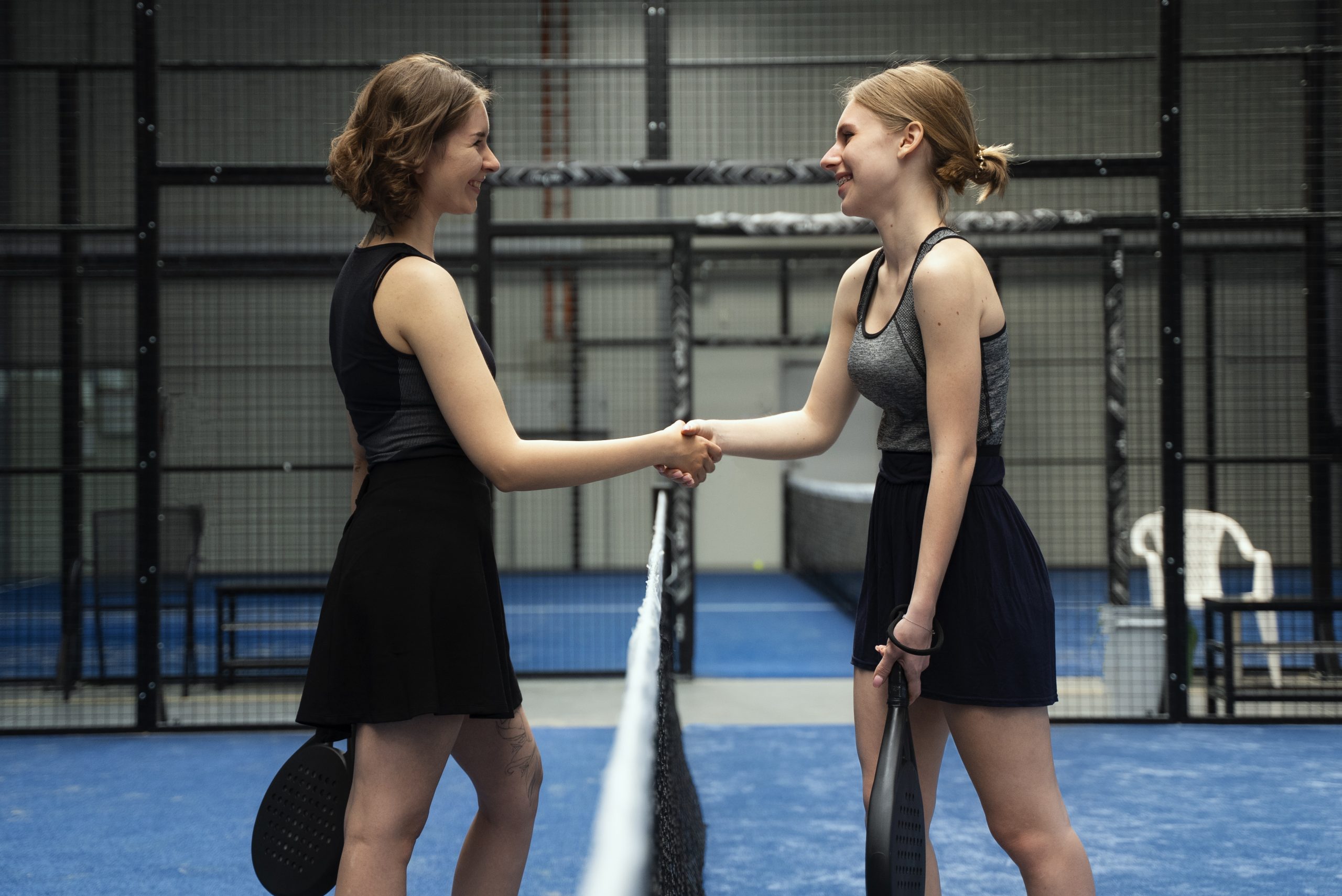
The 5 Most Common Beginner Mistakes in Padel
How to Fix Them Faster Than Most Players
Padel is one of the easiest sports to start — and one of the hardest to master.
Within the first session, most players can rally, score points, and enjoy the rhythm of the game. That accessibility is part of what makes padel so addictive. But once the basics feel comfortable, progress often slows down. Matches become inconsistent, errors repeat themselves, and improvement seems harder than expected.
In many cases, the problem is not talent or fitness. It is habit.
Beginners tend to develop patterns that feel natural in the beginning but limit performance later. The good news is that these mistakes are extremely common — and once you recognize them, they are surprisingly easy to correct.
As many coaches like to remind new players:
“In padel, small adjustments create big results.”
Let’s look at the five mistakes most beginners make and what you can do to improve immediately.
1. Standing Too Close to the Net
One of the first instincts in padel is to move forward and stay near the net. It feels aggressive, confident, and often leads to quick points — at least in the early stages.
However, staying too close to the net too often can create serious problems. Opponents quickly learn to exploit this position with lobs, forcing players into uncomfortable defensive situations.
The key is balance.
Good positioning allows you to attack when the opportunity appears while still maintaining control of the court.
Common signs of this mistake:
- Constantly getting caught by lobs
- Losing balance when moving backward
- Feeling rushed during defensive shots
How to fix it:
Stay slightly behind the net after attacking and be ready to move back quickly. Think of your position as flexible rather than fixed.
2. Hitting the Ball Too Hard
Many beginners believe power equals performance. They swing harder, try to finish points quickly, and focus on speed rather than control.
In padel, control almost always wins.
Because the court is smaller and surrounded by walls, precision matters more than strength. A well-placed shot is usually more effective than a powerful one.
Professional players rarely hit every ball at maximum speed. Instead, they vary tempo and placement to create pressure.
“Padel rewards patience, not power.”
A better approach:
Focus on accuracy first. Once control becomes consistent, power can be added naturally.
3. Ignoring the Walls
The walls are what make padel unique, yet many beginners avoid using them. They treat the game like tennis and try to return every ball before it touches the glass.
Learning to use the walls is one of the fastest ways to improve.
Instead of seeing them as obstacles, think of them as tools. The walls give you extra time to position yourself and create more strategic options.
Players who understand wall play often appear calmer and more confident because they are not rushing every shot.
Skills worth practicing early:
- Letting the ball bounce off the back wall before hitting
- Anticipating the direction of rebounds
- Using the wall to reset the rally
Mastering this element changes how the game feels almost instantly.
4. Poor Footwork and Movement
Padel is a movement-based sport. Even the most technically skilled players struggle if their footwork is inefficient.
Beginners often focus on the ball and forget about positioning. They reach instead of stepping, react instead of preparing, and lose balance during fast exchanges.
Efficient movement creates stability, and stability creates better shots.
Improving footwork does not require complicated drills. It starts with simple awareness.
Focus on these fundamentals:
- Stay on the balls of your feet
- Keep your knees slightly bent
- Move before the ball arrives
- Recover to a neutral position after every shot
These small adjustments improve timing, reduce errors, and increase confidence.
5. Playing Too Fast Without Thinking
Padel is often described as a tactical sport, yet beginners frequently rush decisions. They react quickly without considering placement, positioning, or strategy.
Speed is important — but timing and awareness are even more valuable.
Experienced players slow the game down mentally, even when rallies move quickly. They observe the opponent, anticipate movement, and choose their shots carefully.
This mental shift is what separates consistent players from unpredictable ones.
“The best players are not always faster — they are more prepared.”
Learning to pause, observe, and plan your next move can transform your performance within a few sessions.
Why These Mistakes Matter
Every beginner makes errors. That is part of the learning process.
What matters is recognizing which mistakes slow progress and addressing them early. The sooner these habits change, the faster improvement becomes visible.
Correcting small technical details leads to:
- More consistent rallies
- Better court awareness
- Increased confidence
- Faster skill development
- More enjoyable matches
And ultimately, a deeper connection to the game.
The Path to Improvement
Improving in padel does not require perfection. It requires repetition, awareness, and patience.
Focus on one adjustment at a time. Practice deliberately. Observe your movement and decision-making. Over time, these small changes build momentum.
Progress in padel is rarely dramatic — but it is always noticeable.
And the players who improve the fastest are usually the ones who pay attention to the basics.
Final Thought
Every player starts as a beginner.
The difference between those who improve quickly and those who struggle often comes down to understanding simple fundamentals and applying them consistently.
Avoiding common mistakes does not make the game easier.
It makes progress faster.
And in padel, progress is what keeps the game exciting.
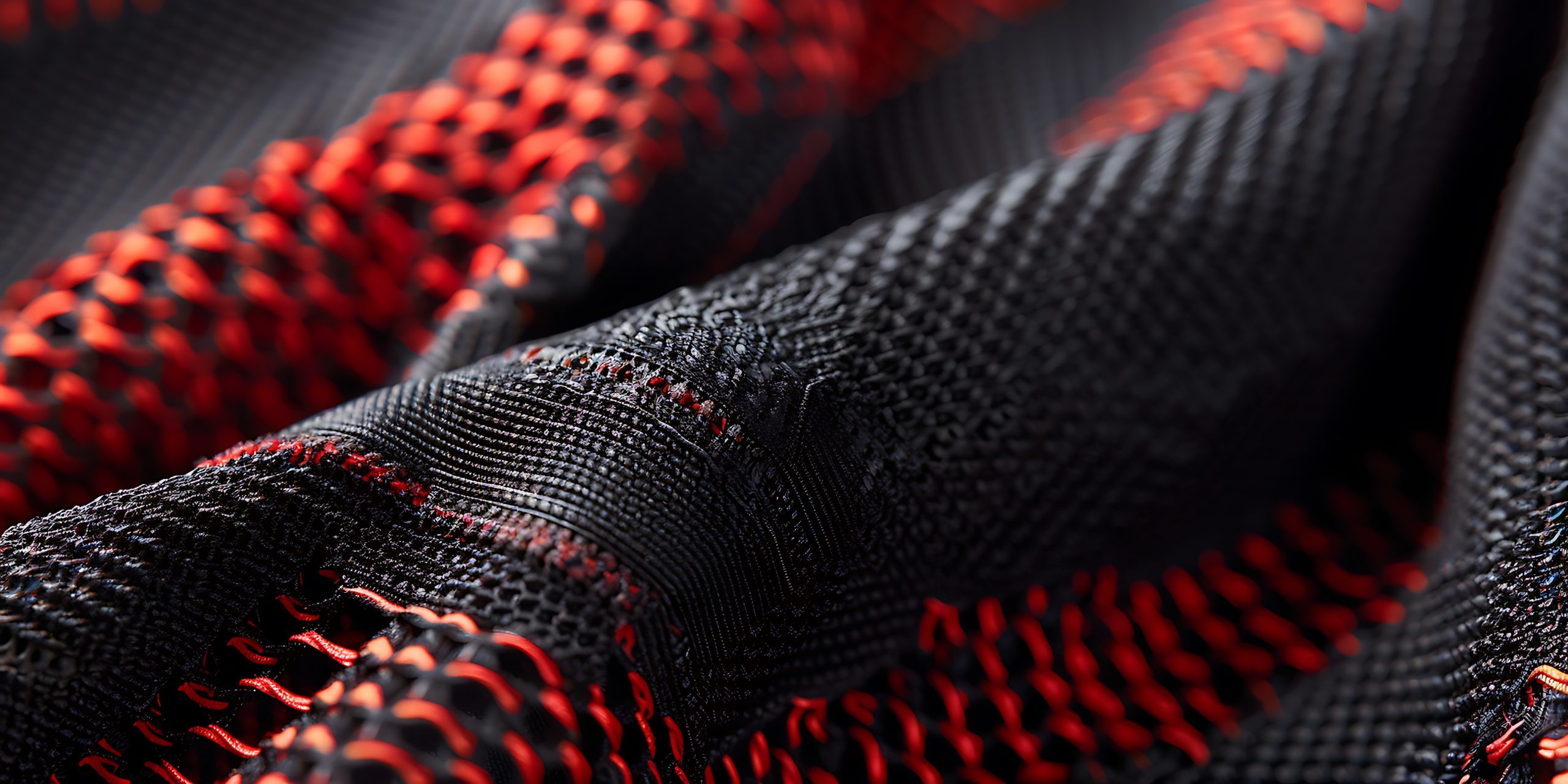
Cotton vs Performance Fabric for Padel
Which Material Really Supports Your Game — and Why It Matters More Than You Think
Choosing the right clothing for padel is not only about style or comfort. It is about how your gear performs when the match becomes intense, the temperature rises, and movement becomes more explosive.
At first glance, cotton may seem like the obvious choice. It feels soft, familiar, and comfortable in everyday life. But once you step onto the court and begin to move, sweat, and react quickly, the limitations of traditional fabrics often become noticeable.
Modern performance fabrics were developed to solve exactly these challenges. They are designed to support athletes in motion, regulate temperature, and maintain comfort throughout long sessions. That difference becomes especially clear in sports like padel, where short bursts of speed and constant direction changes place unique demands on clothing.
As many coaches and experienced players point out:
“The right equipment doesn’t make you win — but the wrong equipment can definitely make you lose focus.”
And focus, in padel, is everything.
Understanding Cotton: Comfortable but Limited
Cotton has been used in sportswear for decades, and for good reason. It is breathable, soft against the skin, and widely available. For casual activities or low-intensity exercise, cotton can feel perfectly adequate.
However, during fast-paced sports, its natural properties begin to work against the player.
Cotton absorbs moisture quickly but releases it slowly. This means that once sweat accumulates, the fabric becomes heavier and stays damp for longer periods. That extra weight and moisture can create discomfort, especially during longer matches or warm conditions.
Players often notice:
- A shirt that feels heavier as the match progresses
- Fabric sticking to the skin
- Reduced airflow and slower drying time
- Increased fatigue due to trapped heat
None of these factors immediately end a match, but together they gradually reduce comfort and concentration.
Performance Fabrics: Built for Movement and Endurance
Performance fabrics, often made from materials such as polyester, elastane, or specialized blends, are engineered specifically for athletic environments. Instead of absorbing moisture, these fabrics transport it away from the skin, allowing it to evaporate quickly.
The result is a lighter, cooler, and more stable feeling throughout the game.
Modern performance materials typically provide:
- Moisture-wicking capability, helping sweat evaporate faster
- Stretch and flexibility, supporting dynamic movement
- Lightweight construction, reducing fatigue
- Temperature regulation, keeping the body comfortable
- Shape retention, even after frequent washing
These characteristics are particularly valuable in padel, where matches can shift rapidly from relaxed rallies to high-intensity exchanges.
As sports physiologists often emphasize:
“Temperature control is one of the most overlooked factors in athletic performance.”
When the body remains cool and dry, energy levels stay more consistent, and players can maintain focus longer.
The Impact on Performance During Real Matches
The difference between cotton and performance fabric is rarely dramatic in the first few minutes of play. Both materials may feel comfortable at the beginning of a session.
The real distinction appears over time.
During longer matches, training sessions, or warm-weather games, clothing made from performance fabric maintains its structure and comfort. Cotton, by contrast, tends to retain moisture and lose its original feel.
This gradual change can influence performance in subtle but meaningful ways.
Players wearing performance fabrics often experience:
- More consistent comfort throughout the match
- Less distraction from damp clothing
- Greater freedom of movement
- Improved endurance during extended play
These advantages may seem small individually, but together they create a noticeable difference in how a player feels after an hour on the court.
When Cotton Still Makes Sense
Despite its limitations, cotton is not entirely unsuitable for sportswear. In certain situations, it can still be a practical option.
For example:
- Light training sessions
- Warm-up routines
- Travel or casual wear
- Everyday activities outside the court
In these contexts, comfort and simplicity may be more important than advanced performance features.
The key is understanding the environment and choosing clothing accordingly.
Why Material Choice Reflects Your Playing Style
Serious players often develop routines around their equipment. They select rackets carefully, maintain their shoes, and adjust their training schedules. Clothing should receive the same attention.
Material choice becomes particularly important for players who:
- Train regularly
- Play in warm climates
- Participate in competitive matches
- Spend extended time on the court
For these athletes, performance fabric is not just a convenience — it becomes part of their preparation.
As one professional trainer once summarized:
“Consistency in performance starts with consistency in comfort.”
That consistency begins with the right materials.
The Long-Term Perspective
Another factor worth considering is durability. Performance fabrics are typically designed to withstand repeated washing, stretching, and physical stress without losing their shape or function. Cotton garments, while comfortable initially, may fade, shrink, or wear down more quickly over time.
From a long-term perspective, investing in higher-quality materials often leads to better value and reliability.
This is especially relevant for players who train several times per week or compete regularly.
Final Thought
Choosing between cotton and performance fabric is not about following trends. It is about understanding how materials interact with movement, temperature, and endurance.
Both fabrics have their place, but when performance becomes the priority, specialized materials provide clear advantages.
In padel, where every movement counts and every rally demands focus, the right fabric does more than improve comfort.
It supports consistency.
It reduces distraction.
And it helps players perform at their best.
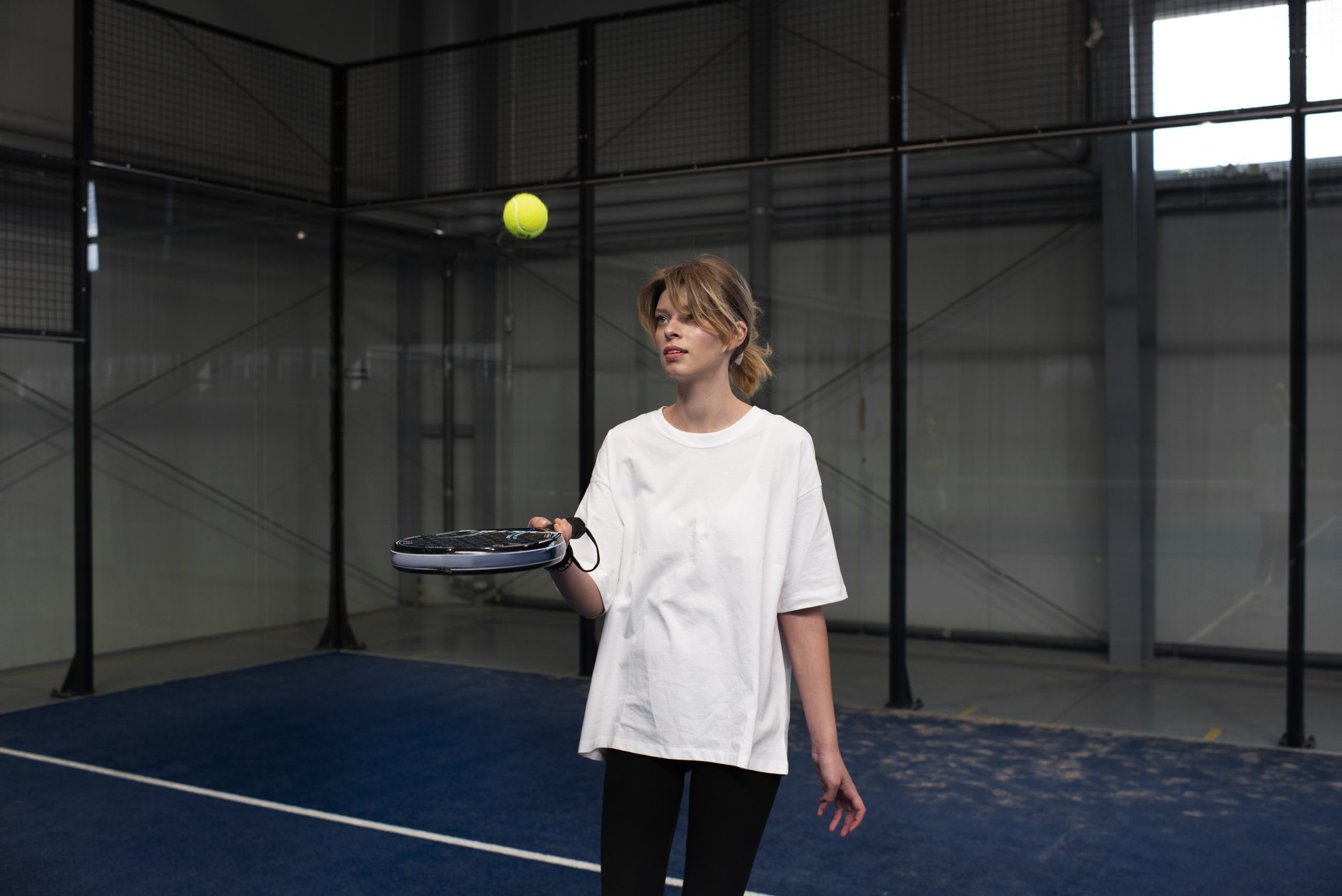
How Should Padel Clothing Fit?
Finding the Balance Between Comfort, Performance, and Freedom of Movement
One of the most common questions players ask when they begin to take padel more seriously is surprisingly simple: How should padel clothing actually fit?
It may sound like a small detail, but fit has a direct impact on comfort, confidence, and performance on the court. Clothing that is too tight can restrict movement and create tension during fast exchanges, while clothing that is too loose can shift, twist, or feel heavy during intense rallies. The right fit sits somewhere in between — supportive, comfortable, and responsive to the natural movement of the body.
Padel is a dynamic sport. Players accelerate quickly, rotate their hips and shoulders, and reach for low or wide balls in unpredictable directions. Because of this, clothing must adapt to movement rather than resist it. A well-fitted piece of sportswear allows the body to move naturally without distraction, giving players the freedom to focus entirely on the game.
Why Fit Matters More Than Most Players Realize
Many people assume that performance in sport depends primarily on skill, fitness, and technique. While those factors are certainly essential, comfort plays a quiet but powerful role in how consistently a player performs over time. When clothing fits properly, the body feels balanced and unrestricted, which makes movement smoother and more efficient.
Poor fit, on the other hand, often introduces subtle discomfort that becomes more noticeable as a match progresses. A waistband that slides down, sleeves that bunch up, or fabric that clings to the skin can gradually shift attention away from the game. Even small irritations can reduce focus and increase fatigue.
That is why experienced players tend to pay close attention to fit. They understand that clothing is not just something they wear — it is part of their equipment. Just like a racket must feel right in the hand, apparel must feel right on the body.
The Ideal Fit: Neither Tight Nor Loose
The best padel clothing follows the natural shape of the body without squeezing or hanging excessively. It should feel secure but never restrictive, allowing muscles and joints to move freely during sudden changes in direction.
For most players, the ideal fit can be described as athletic but relaxed. The garment should sit close enough to the body to stay in place during movement, yet provide enough room for airflow and flexibility. This balance is particularly important in padel, where agility and endurance are equally important.
A well-designed shirt, for example, should allow full shoulder rotation without pulling across the back or chest. Shorts should stay stable during quick sprints while still providing enough freedom for lunges and lateral movement. These details may seem subtle, but they make a significant difference during long matches or training sessions.
How Fabric Influences Fit and Feel
Fit is not determined by size alone. The material of the garment plays an equally important role in how clothing behaves during movement. Modern performance fabrics are designed to stretch, recover, and adapt to the body, which allows clothing to maintain its shape even during intense activity.
High-quality fabrics typically offer a combination of flexibility and structure. They move with the body while still providing enough support to keep the garment stable. This creates a feeling of lightness and control that players often describe as effortless.
Breathability also affects how clothing feels throughout a session. As body temperature rises, moisture management becomes critical. Materials that allow sweat to evaporate quickly help maintain comfort and prevent the heavy, damp sensation that can develop in poorly ventilated clothing.
In short, the right fabric makes the right fit possible.
Adjusting Fit for Different Playing Conditions
Another factor that influences fit is the environment in which the game is played. Indoor and outdoor conditions, temperature, and intensity all affect how clothing should feel on the body.
In warmer climates, slightly looser garments can improve airflow and help regulate body temperature. During cooler sessions or competitive matches, players often prefer a more fitted silhouette that retains warmth and reduces excess fabric movement.
Personal preference also plays a role. Some players feel more confident in a streamlined, performance-oriented fit, while others prefer a relaxed style that prioritizes comfort. Neither approach is inherently better; what matters most is that the clothing supports the player’s movement and feels natural during play.
Confidence Begins With Comfort
There is a psychological dimension to fit that is often overlooked. When clothing feels right, players tend to move more freely and with greater confidence. They spend less time adjusting their gear and more time focusing on strategy, positioning, and timing.
This sense of comfort can have a measurable impact on performance. A player who feels comfortable is more likely to stay relaxed under pressure, maintain consistent movement, and sustain energy throughout a match.
In many ways, the right fit creates a quiet form of confidence — one that allows performance to happen naturally.
Finding Your Personal Fit
Ultimately, the best fit is the one that feels natural for your body and your playing style. It should allow you to move without hesitation, breathe comfortably during intense rallies, and maintain focus from the first point to the last.
Testing different fits during training sessions can help players identify what works best for them. Pay attention to how clothing behaves during movement, how it feels after extended play, and how easily it adapts to different conditions. These observations provide valuable insight into what truly supports performance.
Great padel clothing does not demand attention.
It supports the player quietly, consistently, and reliably.
And when fit, fabric, and function come together, the result is simple: clothing that feels like it belongs on the court.